Frying Pans & Casserole Dishes
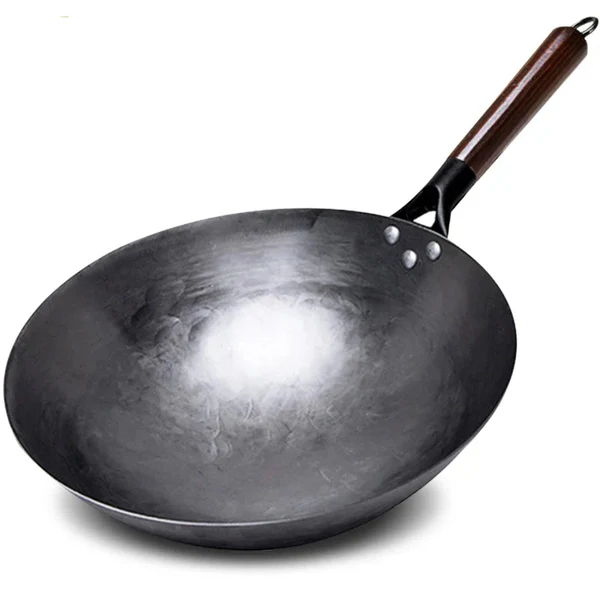
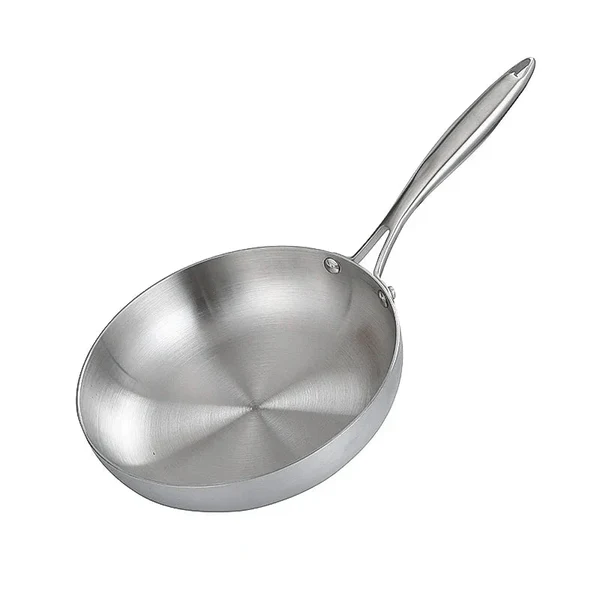
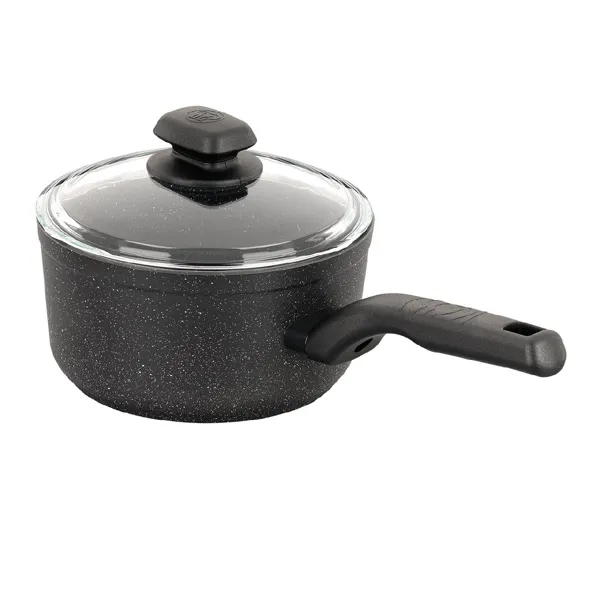
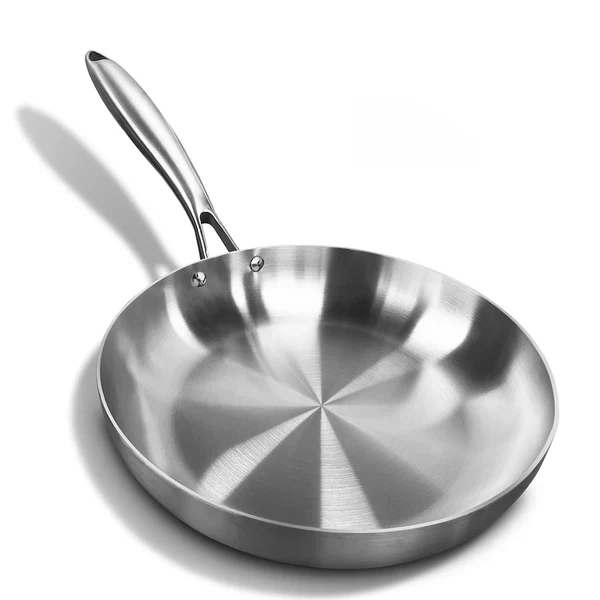
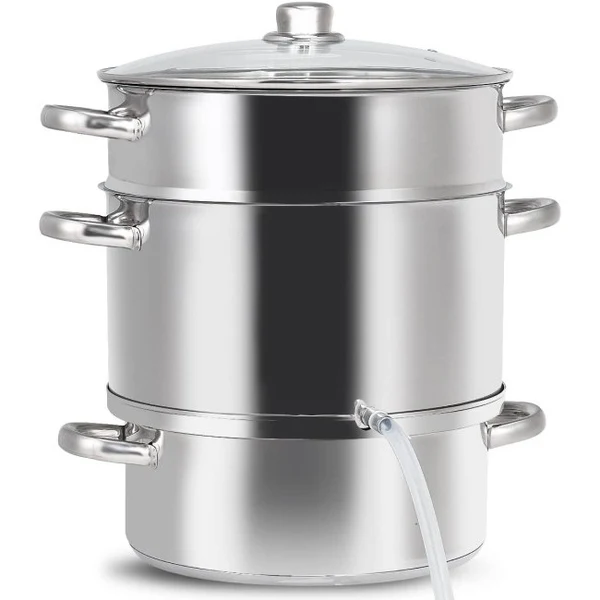
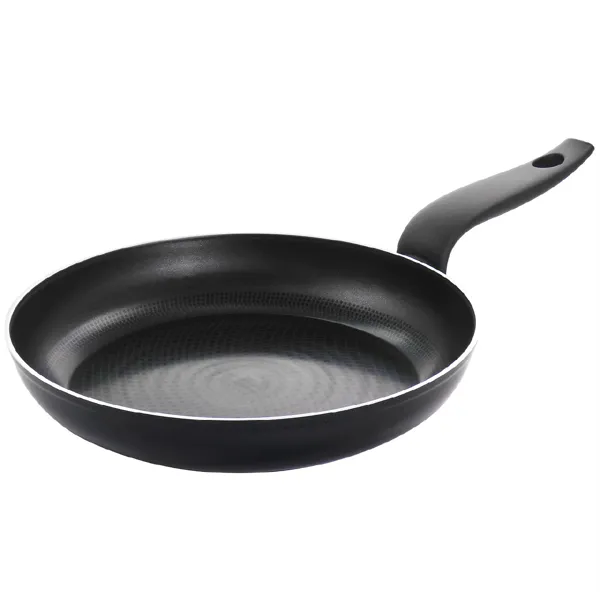
Choosing frying pans pots and casserole dishes well is largely a matter of reading the details closely: dimensions, materials and how the parts fit together. Names vary between makers, so rely on measurements and descriptions rather than the label. If it has to work with something you already own, check that the two will fit together.
Other types to compare
Comparing across types often settles a decision faster than comparing within one.
How to choose
- Look at the finish: some surfaces show marks or wear more readily than others.
- Decide between a single item and a matching set before comparing options.
- Pay attention to the parts you touch every time, such as handles, edges or fastenings.
- Compare two or three close options side by side on the same points.
- Choose the material for how it feels, how much it weighs and how much care it needs.
Frequently asked questions
How do I care for non-stick pans and baking tins?
Let them cool before washing, clean them with a soft sponge and warm soapy water, and use wooden or silicone utensils to protect the coating.
What size of frying pan suits everyday cooking?
A medium pan handles eggs and vegetables for two, while a wide pan or casserole gives room for family meals and batch cooking.
Where can I compare frying pans pots and casserole dishes with related kinds?
To compare frying pans pots and casserole dishes with related kinds on size, material and use, step back to the wider family: Cookware, Bakeware & Kitchen Appliances.
Can frying pans pots and casserole dishes be used every day?
Whether frying pans pots and casserole dishes can be used every day depends on material and construction; for daily use, choose simple, sturdy builds with finishes that are easy to care for.
How do I get the size of frying pans pots and casserole dishes right?
Measure the space, the person or the item it needs to fit, then compare that with the stated dimensions of frying pans pots and casserole dishes rather than the size name.