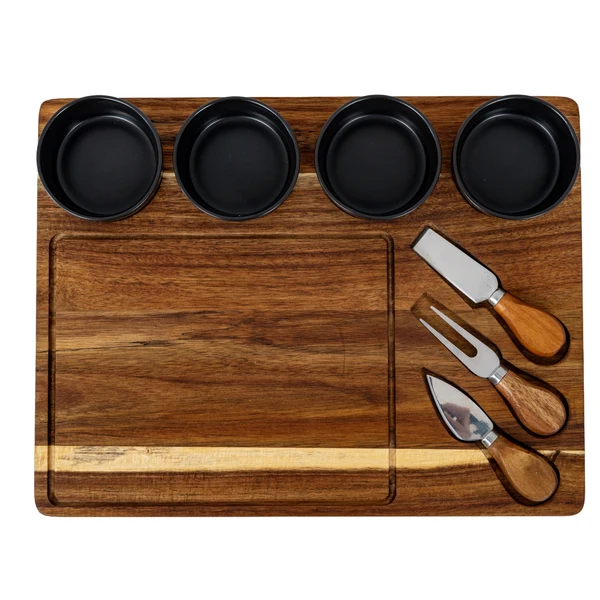
Serving Platters

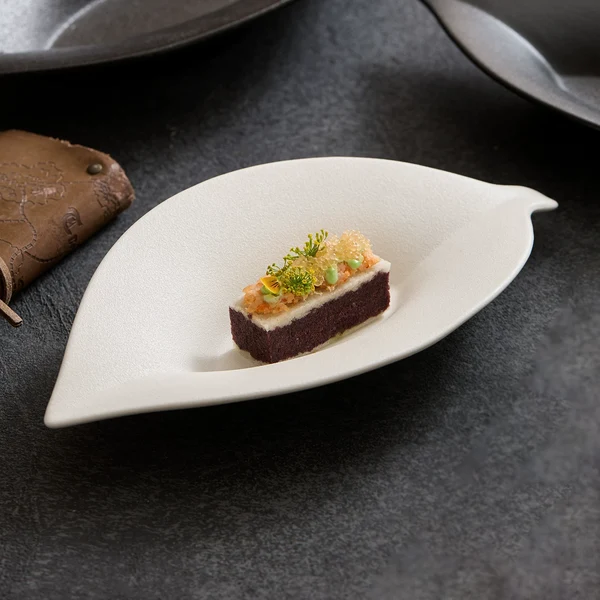
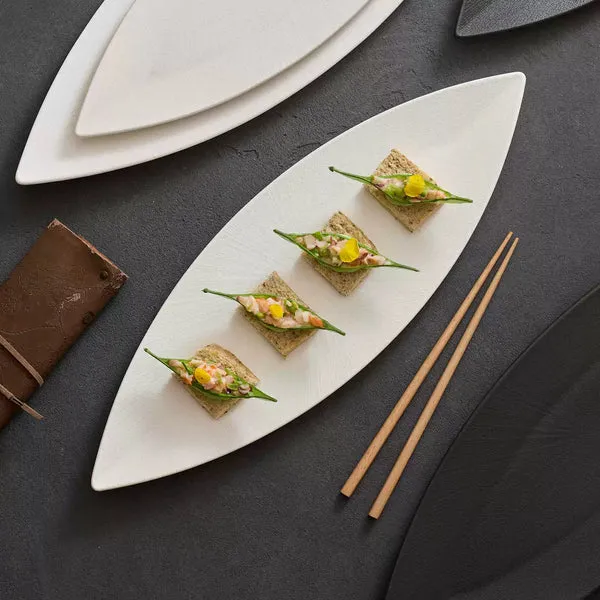
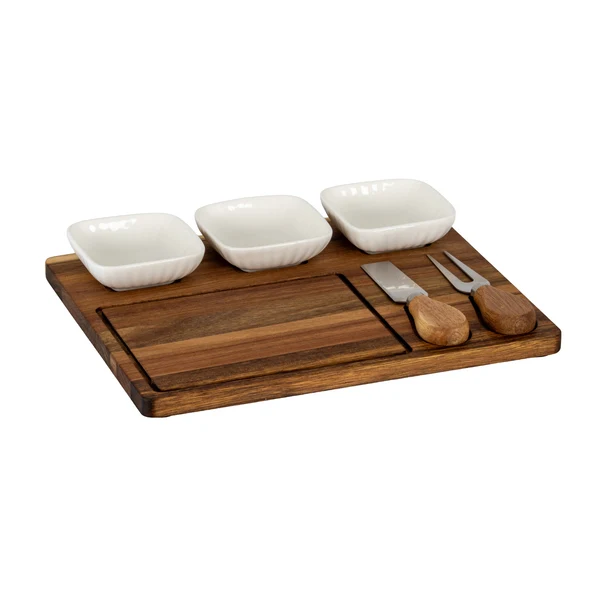
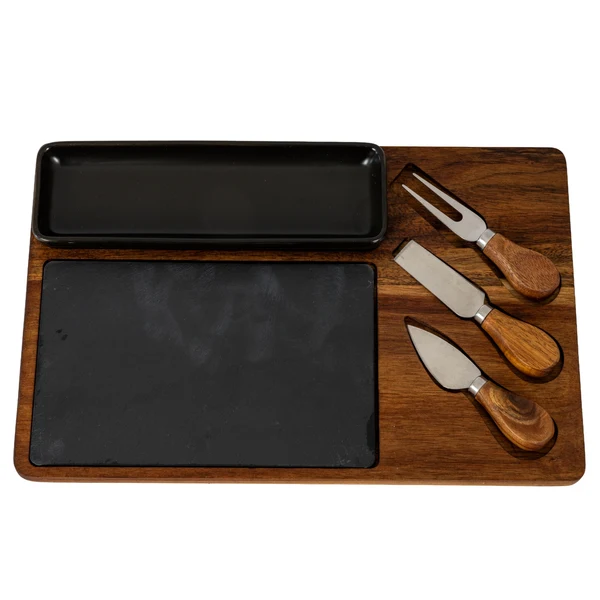
Serving Platters can overlap with neighbouring kinds, so it helps to know exactly where the differences lie. Names vary between makers, so rely on measurements and descriptions rather than the label.

Showing all 13 results

Other types to compare

Comparing across types often settles a decision faster than comparing within one.

How to choose

  • Measure first and compare the stated dimensions, not the size name.
  • Choose the material for how it feels, how much it weighs and how much care it needs.
  • Look at the finish: some surfaces show marks or wear more readily than others.
  • If this kind is not quite right, compare the alternatives: Cake Stands & Tiered Servers, Drinking Glasses & Mugs, Becher, Serving Bowls and Ceramic Tableware Sets.
  • Read the full description: names differ between makers, measurements do not.

Frequently asked questions

Which materials work well for bread baskets and serving trays?

Woven seagrass, wicker and warm wood stay light to carry while adding tactile texture to breakfast and dinner tables.

Can serving platters make a good gift?

Serving platters can make a good gift; choose a versatile size and a material that is easy to care for, and check the measurements if fit matters.

How can I judge the build of serving platters?

To judge serving platters, look at joins, seams, edges or fastenings: neat, even work and a consistent finish are good signs of careful making.