
White Porcelain Serving Platters
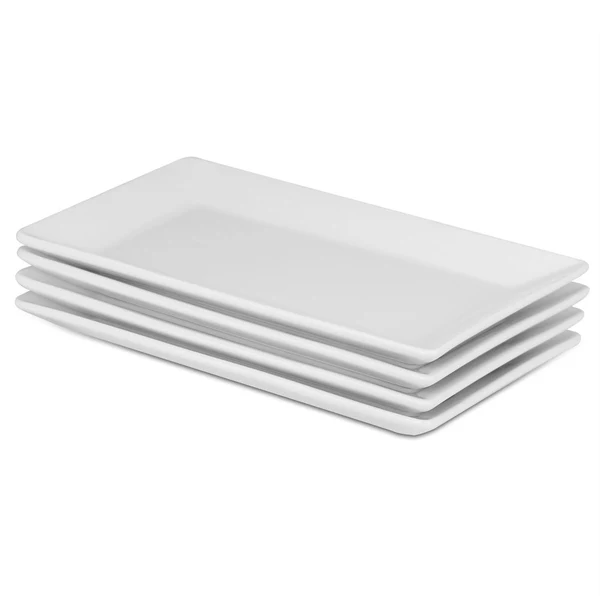
With white porcelain serving platters, one material can come in different grades and finishes, so options described the same way can feel quite different. The right material depends on use, and frequent use favours something forgiving and easy to clean. Finish matters as much as the material: a sealed or coated surface behaves differently from a raw one.
Related: Serveware & Tableware Sets
Three steps to a clear choice
A collection mixes product types, so pick the type first, then compare the options within it on the points that matter.
Mind the upkeep
Care notes, where given, show how much attention an item will need.
Try a related collection
Close but not right? Another collection may fit what you need better.
How to choose
- Think about texture and how the material feels to the touch.
- Check exactly what the material is, including any blend, coating or finish.
- Check thickness or density, as both affect how the material holds its shape.
Frequently asked questions
Which materials work well for bread baskets and serving trays?
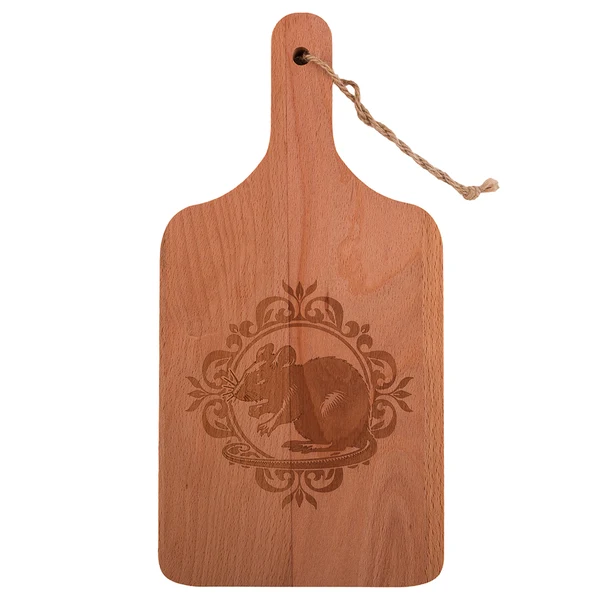
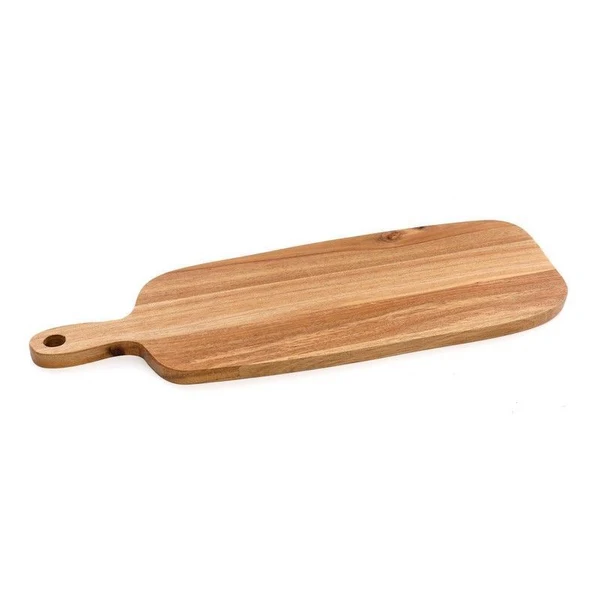
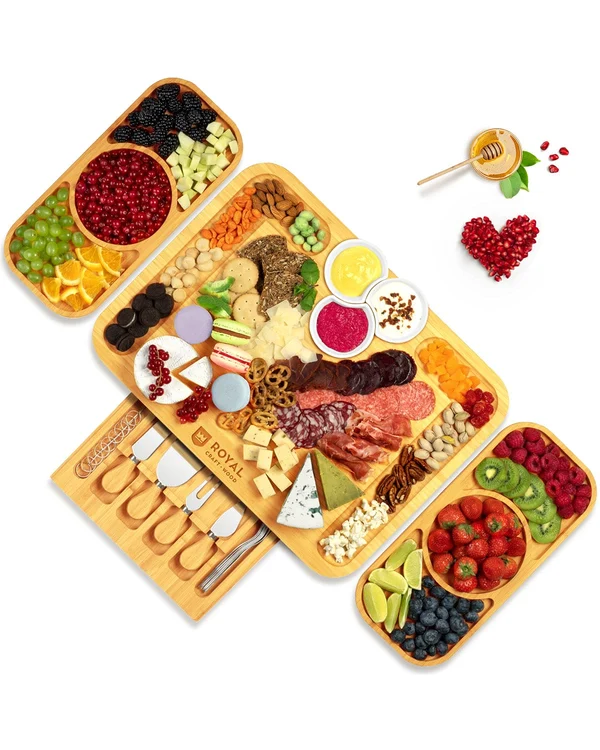
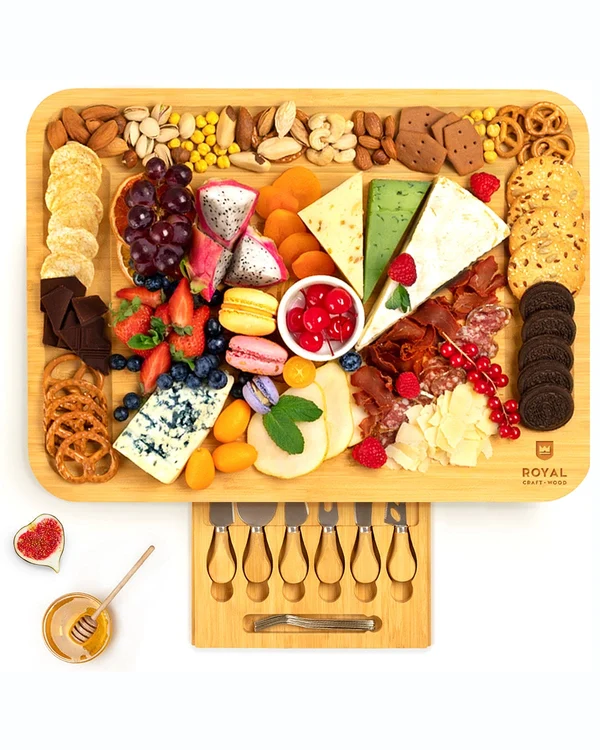
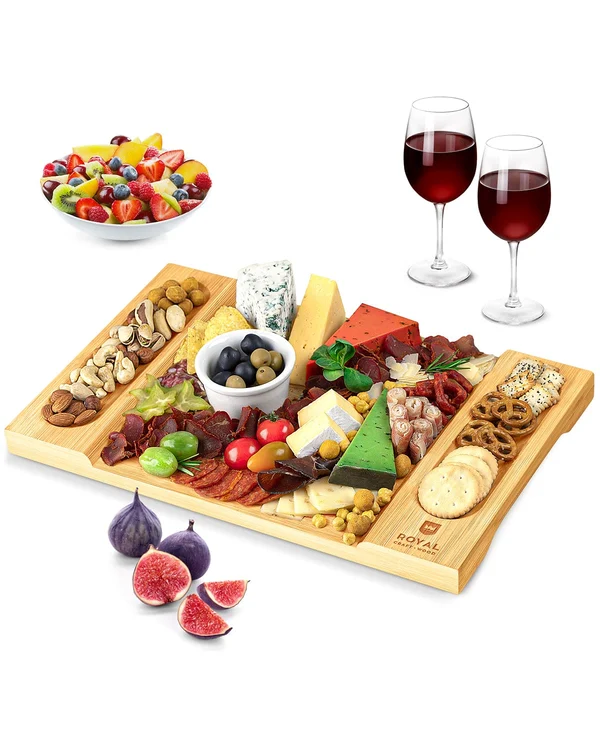
Woven seagrass, wicker and warm wood stay light to carry while adding tactile texture to breakfast and dinner tables.
Which other materials are there for this kind?
Comparing materials side by side shows the trade-offs in weight, feel and care. Other materials to compare: Ceramic Serveware & Bowls.
Will this material show marks?
Some materials show marks, scratches or creases more readily than others; for white porcelain serving platters, a textured or matt finish tends to hide everyday marks better than a glossy one.